Tracing RNG Lineages from Mechanical Reels to Tiered Casino Rewards
Jakob Weber · Aug 6, 2026
Tracing RNG Lineages from Mechanical Reels to Tiered Casino Rewards
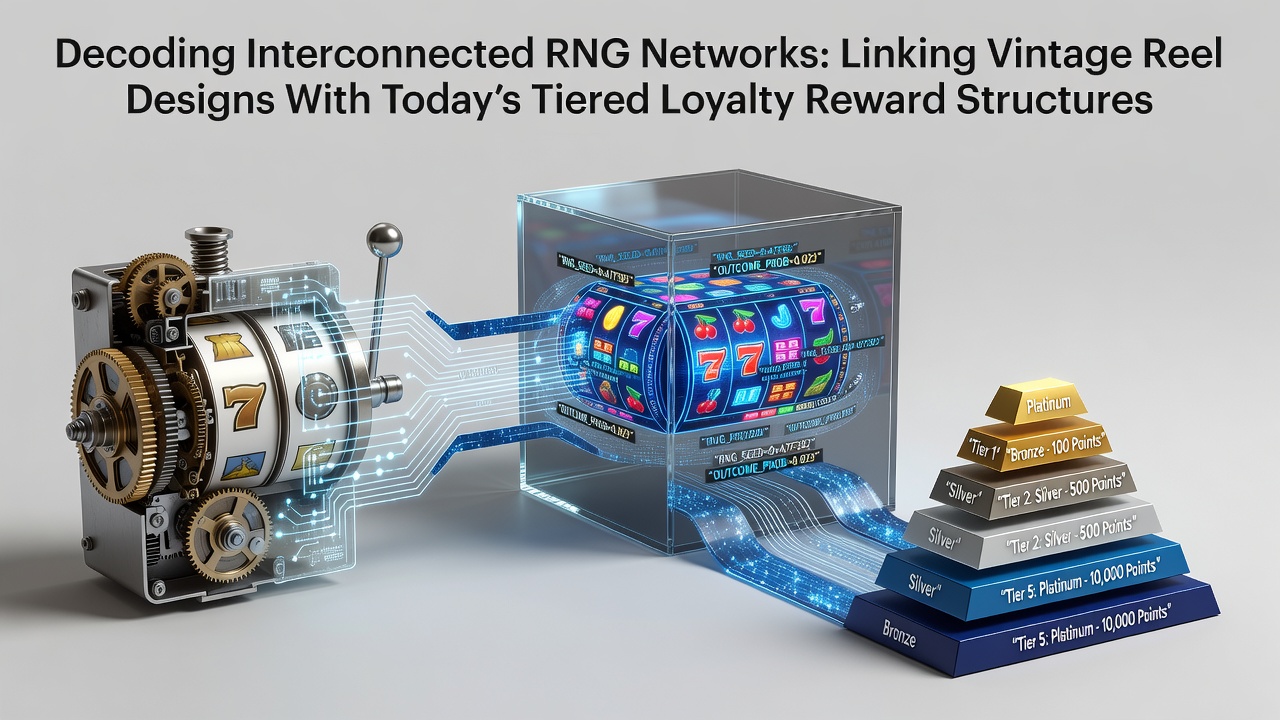
Random number generators in gaming machines evolved directly from the physical constraints of early 20th-century reel mechanisms, and those same algorithmic foundations now feed data into loyalty platforms that award tiered benefits based on tracked play volume. Manufacturers adapted the irregular stop positions and weighted reel strips of mechanical devices into pseudorandom sequences that preserve similar distribution patterns, while casino management systems capture every outcome to calculate points that determine silver, gold, or platinum status.
Mechanical Foundations and Early Randomness
Before electronic components appeared, slot machines relied on spring-loaded reels and notched discs whose stopping positions depended on physical variables such as friction and timing, and researchers documented these variables in engineering studies from the 1960s onward. Gaming laboratories later required digital replacements to match the same hit frequencies and payout percentages, which led developers to embed weighted tables inside RNG code so that virtual reels produced equivalent results to their metal predecessors.
Transition to Certified Algorithms
By the 1980s, regulatory bodies including the Nevada Gaming Control Board began mandating independent testing of RNG software, and those standards required statistical uniformity across millions of simulated spins. The same certification frameworks now apply to systems that route outcome data into player tracking databases, creating direct technical links between the generation of each result and the accumulation of loyalty points that unlock tier benefits.
Network Integration and Data Flow
Modern casino floors connect individual machines through central servers that log every RNG call in real time, while loyalty engines pull from those logs to assign points proportional to coin-in and game type. Industry reports from the American Gaming Association show that tier advancement thresholds typically range from 5,000 points for entry-level status to over 100,000 points for top tiers, with the underlying RNG output determining both the immediate payout and the long-term reward trajectory for each player.
Case Examples from Operating Jurisdictions
One documented implementation in Australian venues uses a single RNG library across both legacy-style five-reel games and newer video formats, feeding identical sequence logs into a unified loyalty platform that adjusts tier multipliers seasonally. Data collected by state regulators indicates that machines sharing the same RNG seed pool exhibit consistent volatility profiles, which in turn produce predictable point accrual rates that loyalty programs use to forecast redemption volumes.
Regulatory Oversight Across Regions
Canadian provincial gaming authorities require RNG audits every six months, and those audits now extend to the interfaces that transfer outcome records to tier-management software. European testing houses apply comparable protocols under the Malta Gaming Authority framework, ensuring that loyalty calculations remain traceable to the original random sequences without introducing bias or predictable patterns.
Technical Architecture Details
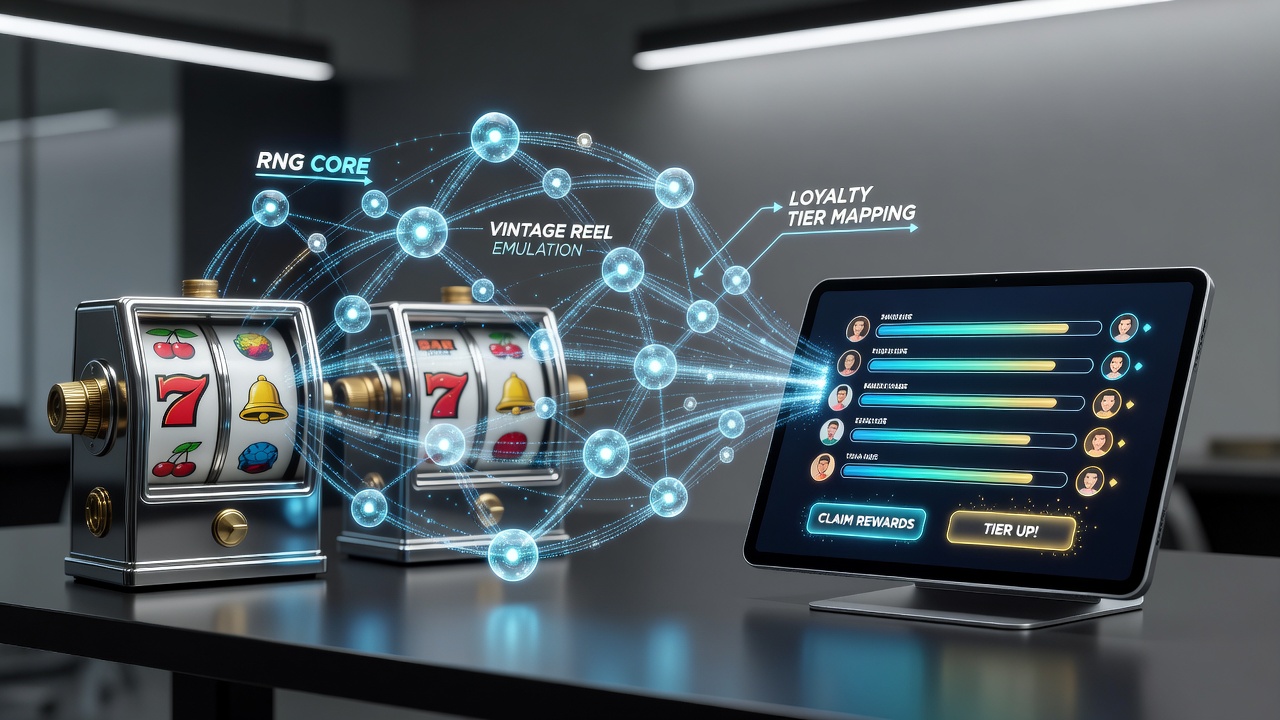
Contemporary systems employ hardware security modules to generate initial seeds, after which deterministic algorithms expand those seeds into long outcome streams that mimic the mechanical irregularity of vintage reels. Loyalty servers receive anonymized subsets of these streams, aggregate them by player account, and apply tier formulas that increase reward percentages as cumulative activity crosses predefined thresholds.
Research Findings on Distribution Patterns
Academic papers from university engineering departments have compared symbol distribution histograms from 1970s mechanical machines with current RNG outputs, revealing close statistical matches that preserve player perception of fairness. Those same studies note that loyalty platforms exploit the resulting predictability in average return to set tier progression speeds that align with house-edge expectations across entire machine networks.
Conclusion
The technical lineage running from physical reel stops to certified digital RNG sequences now extends further into loyalty infrastructure, where each generated outcome contributes measurable data points that determine tier status and associated rewards. Regulatory records from multiple jurisdictions confirm that this interconnection remains subject to ongoing audits that verify both randomness integrity and accurate point allocation.